
Introduction
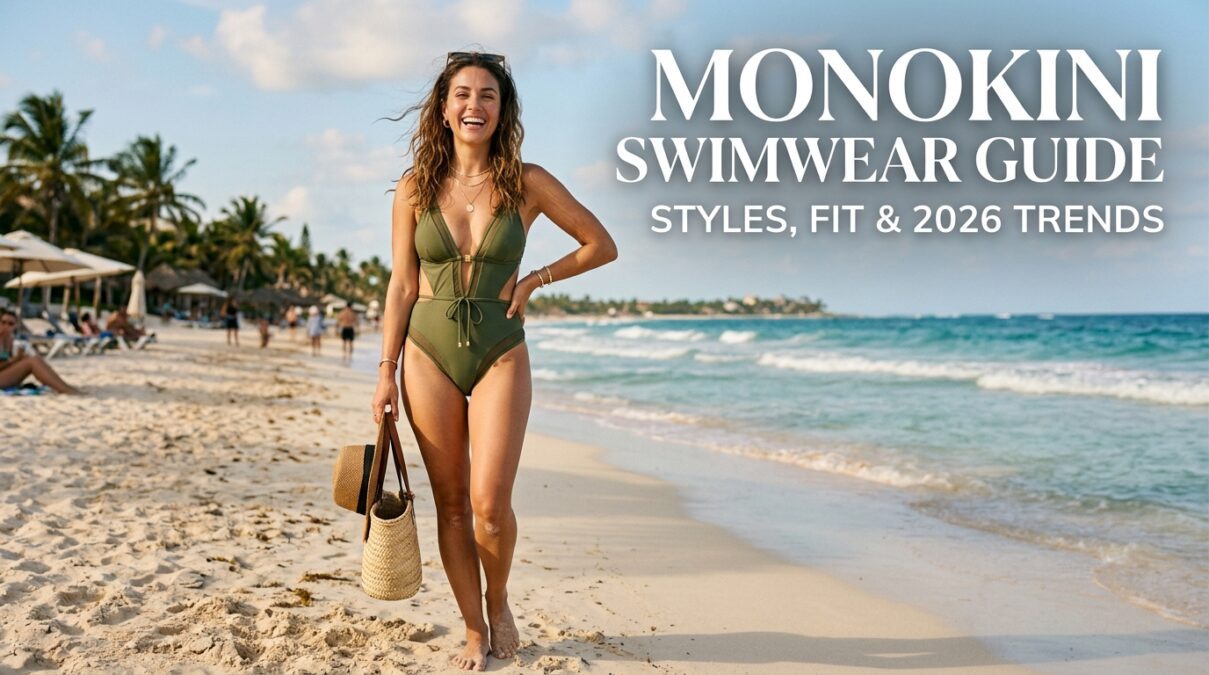
A monokini is a single-piece swimsuit defined by strategic cut-outs that expose sections of the midriff, sides, or back, distinguishing it from a standard one-piece and a two-piece bikini. It occupies a deliberate middle ground in swimwear: more covered than a bikini, more revealing—and often more sculptural—than a traditional maillot. In 2026, the monokini has moved beyond a niche beach staple and into the realm of luxury resortwear, with designers treating cut-out swimsuits as fashion-first pieces designed to transition from poolside to dinner.
Whether you are searching for a flattering silhouette, a trend-forward vacation piece, or a sustainable option, understanding the monokini’s construction and styling possibilities makes the choice far easier. This guide covers the swimsuit’s history, the cuts that work for different body types, current trends, and practical advice for wearing a monokini with confidence.
What Is a Monokini? Definition and Origins
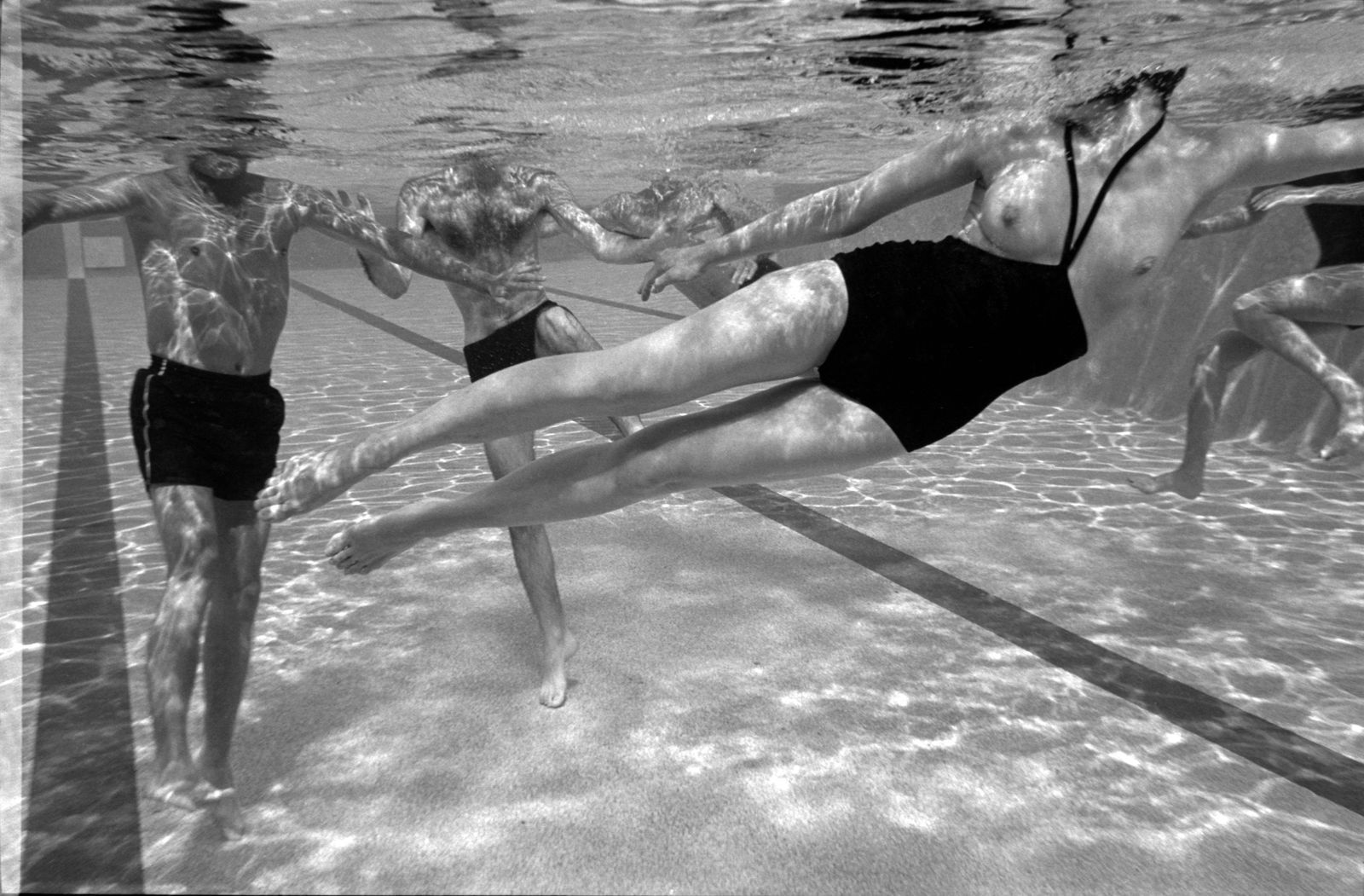
The word monokini is a portmanteau of “mono” (one) and “bikini.” The garment was introduced in 1964 by Austrian-born American designer Rudi Gernreich. His original design was a topless swimsuit consisting of high-waisted briefs held up by two thin straps haltered around the neck, leaving the breasts entirely bare. The debut caused significant public reaction; Gernreich later remarked, “As if I invented nudity”.
That original topless design is not what most retailers sell as a monokini today. The modern version evolved into a one-piece silhouette with cut-outs at the waist, sides, or back, often connected by straps, rings, or narrow panels of fabric. In markets outside the United States, the term is sometimes used interchangeably with trikini or cut-out swimsuit, though technically a trikini traditionally refers to a three-piece construction. What remains consistent is the core idea: a single garment that behaves visually like a two-piece in specific zones while maintaining the structural continuity of a one-piece.
Monokini vs. One-Piece vs. Bikini: Key Differences
Understanding where the it sits among swimwear categories helps narrow down fit and coverage expectations.
| Feature | Bikini | Standard One-Piece (Maillot) | Monokini |
|---|---|---|---|
| Construction | Two separate pieces: top and bottom | Single continuous piece covering torso | Single piece with cut-outs or connector panels |
| Skin exposure | Midriff fully exposed; coverage varies by cut | Minimal exposure; typically covers midriff and back | Selective exposure: side, midriff, back, or underbust |
| Support | Depends on top style; bottoms independent | Often offers torso-wide compression and support | Support varies; cut-outs can reduce compression in some zones |
| Styling versatility | Strong for layering; tops can double as crop tops | Can be worn as a bodysuit under clothing | Works as a bodysuit with trousers, skirts, or shorts |
| Fit considerations | Sizing is independent for top and bottom | Sizing is based on torso length and bust | Torso length and cut-out placement are critical; a poor fit can pull or gap |
Its defining feature is visual discontinuity: the cut-outs create the impression of separation without the actual independence of a bikini. This is why a well-fitted monokini can simultaneously flatter and streamline while still showing skin in deliberate, controlled areas.
Types of Monokini: A Practical Breakdown
Monokinis are not a single silhouette. The placement and shape of the cut-outs change how the suit fits, flatters, and functions. The following table summarizes the most common styles and their practical characteristics.
| Monokini Style | Defining Feature | Best Suited For | Practical Notes |
|---|---|---|---|
| Side cut-out | Openings at the waist or hips | Creating an hourglass illusion; rectangle and apple shapes | The horizontal opening draws the eye inward at the waist |
| Plunging V-neck | Deep neckline, often with a connected bottom | Elongating the torso; fuller busts seeking lift | Requires adequate bust support; look for underwire or elastic underband |
| Halter backless | Straps tie at the neck; open back | Broad shoulders; athletic builds | Provides lift but can strain the neck over long wear |
| Ruching / tummy-control | Gathered fabric across the midsection | Anyone seeking midsection smoothing | Ruching conceals rather than compresses; choose a firm lining for structure |
| Asymmetric / one-shoulder | Single strap or uneven cut-outs | Creating diagonal visual interest; rectangle shapes | Can imbalance a very full bust; test strap security |
| Mesh / sheer-panel | Semi-transparent fabric over solid lining | Statement or luxury resortwear | Ensure opaque lining where coverage is needed; mesh can snag |
| High-leg | Cut-outs combined with a high-cut leg opening | Lengthening the legs; apple or hourglass shapes | High leg openings can feel restrictive on longer torsos |
The right style depends less on the label and more on where the cut-outs sit relative to your natural waist, bust, and hip proportions.
How to Choose a Monokini for Your Body Type
Cut-out placement is the single most important fit variable in a monokini. Strategically placed openings can emphasize or soften different zones without shapewear or structural tricks. Use the guide below as a starting point rather than a rigid rule.
| Body Type | Recommended Cuts | What the Cut-Out Does | Cuts to Approach with Caution |
|---|---|---|---|
| Hourglass | Side cut-outs at the natural waist; plunging V-neck; belted monokinis | Highlights the narrowest point and balances bust and hip volume | Overly high necklines that obscure the waist definition |
| Pear (triangle) | Cut-outs at the bust or shoulders; ruffled or textured necklines | Draws attention upward and broadens the shoulder line | Large cut-outs at the hips, which can widen the lower body visually |
| Apple (round) | High-leg side cut-outs; diagonal or asymmetric openings; ruched panels | Shifts focus to the legs and creates a slimming line across the midsection | Horizontal cut-outs directly across the widest part of the stomach |
| Rectangle (straight) | Diagonal cut-outs; asymmetric one-shoulder styles; belted or tied waists | Introduces curves by breaking up a straight torso line | Symmetrical side cut-outs that sit on a straight waist without definition |
| Full bust | Plunging necklines with underwire; halter styles with wide straps; ruched bodices | Provides lift and accommodates bust volume without flattening | Bandeau or strapless monokinis with no structural support |
| Small bust | Ruching at the bust; mesh or textured panels; high-neck cut-out styles | Adds visual volume through fabric detail rather than padding | Deep plunge with minimal support, which can cause gaping |
Fit check: It should lie flat against the body at every cut-out edge. If the fabric pulls away from the skin, the torso length is likely too short; if it digs in, the suit is too small. Always test shoulder strap security by raising your arms and rotating your torso before removing tags.
Monokini Trends in 2026: What’s Actually Changing
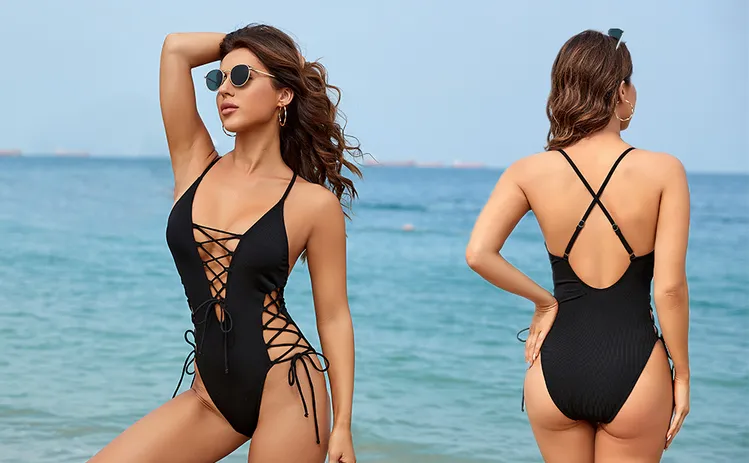
The monokini’s 2026 iteration reflects broader shifts in swimwear toward transitional luxury and hardware-driven design.
Cut-Outs as Architecture, Not Just Exposure
Designers at Miami Swim Week 2026 presented monokinis with sculpted waistlines, asymmetrical openings, and integrated draping, treating cut-outs as structural features rather than simple skin-baring gaps. This means the modern monokini is less about showing a standard midriff window and more about creating a shape—often an hourglass illusion—through the geometry of the opening itself.
Hardware and Jewelry Detailing
Large polished rings, sculptural connectors, decorative chains, and metallic closures are appearing on monokinis as integrated design elements rather than functional afterthoughts. A monokini with a gold ring linking the bust to the waist panel reads as intentional resortwear rather than a basic swimsuit. This trend pairs naturally with the broader movement toward “yacht-to-dinner” dressing, where swimwear is expected to function across multiple settings in a single day.
Sheer and Illusion Fabrics
Nude mesh panels, semi-sheer overlays, and embroidered illusion monokinis were standout runway moments in 2026. These designs create the appearance of cut-outs or exposed skin while maintaining a layer of fabric, which appeals to wearers who want the visual impact of a monokini without full skin exposure.
Retro Belts and Ruching
Not every 2026 monokini is daring. Brands are also producing monokinis with integrated or removable belts, crochet trims, and ruching, drawing on retro swimwear codes while retaining the cut-out identity. A belted one is particularly effective for rectangle and apple shapes because the belt creates a defined waist point independent of the cut-out placement.
How to Style a Monokini Beyond the Pool
A monokini’s single-piece construction makes it one of the most versatile swimwear categories for beach-to-bar dressing. Because it functions like a bodysuit, it can be layered under or paired with ready-to-wear pieces without the bulk of a bikini top or the coverage constraints of a full maillot.
Beach-to-Bar Combinations
- Wide-leg linen trousers: A solid-colored monokini—black, chocolate, or deep green—slips under wide-leg linen trousers with zero bulk, creating a streamlined evening look. A side cut-out one works especially well because the waist opening remains visible above a high-waisted trouser.
- Sheer maxi skirt or pareo: A monokini with hardware detailing pairs well with a sheer maxi skirt or a pareo tied at the hip. The swimsuit reads as a top, and the hardware acts as jewelry.
- Open shirt or oversized button-down: For a lower-effort transition, leave a lightweight button-down unbuttoned over a monokini and pair with denim shorts or soft cargo pants. This works particularly well with halter and plunging styles.
- Crochet or mesh cover-up: A crochet vest or mesh kimono layered over a monokini adds texture without hiding the suit’s construction. This is the most natural fit for a beach lunch or a resort pool setting.
Accessories That Complete a Monokini Look
Large sun hats, layered fine jewelry, and flat or block-heeled sandals are the most reliable accessories for a monokini look that extends beyond the water. Because many 2026 monokinis already incorporate metallic hardware, keep jewelry minimal if the suit has visible rings or chains; let the swimsuit’s hardware be the focal point.
Sustainable Monokini Options
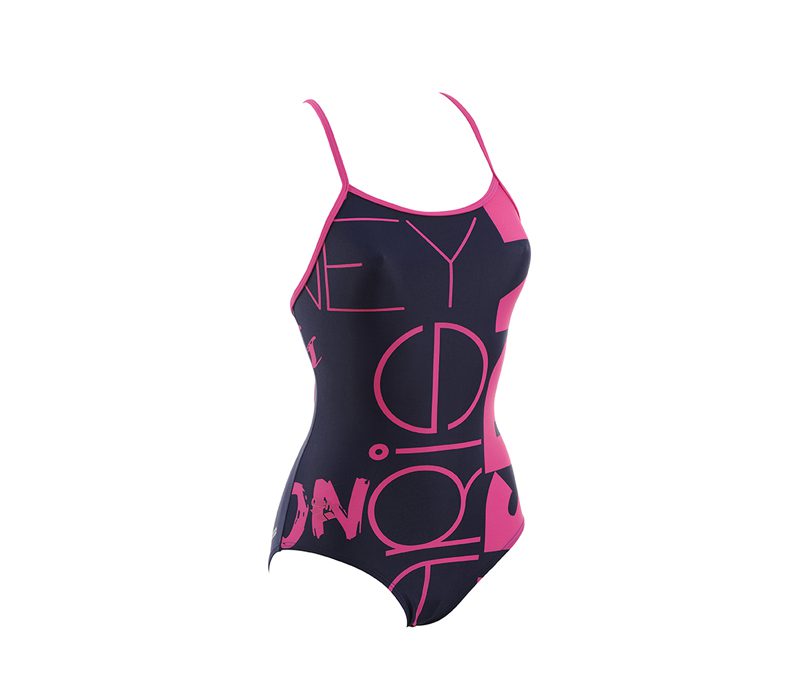
The monokini’s cut-out construction often requires more fabric panels and hardware than a standard one-piece, which makes material sourcing and end-of-life considerations relevant. A growing number of swimwear brands now offer monokinis made with lower-impact materials.
ECONYL regenerated nylon—a fiber produced from recovered fishing nets and nylon waste—is one of the most widely used sustainable swimwear materials, appearing in monokini collections from brands such as Vitamin A and Hakea Swim. Other options include REPREVE recycled nylon and recycled polyester blends. When evaluating a sustainable monokini, prioritize brands that disclose their fabric composition and production location rather than relying on broad “eco” claims alone. Certification programs and published supply-chain information are more reliable indicators than packaging language.
Key Facts at a Glance
| Fact | Detail |
|---|---|
| Origin | Introduced by Rudi Gernreich in 1964 |
| Original design | Topless swimsuit: high-waisted briefs with thin neck straps |
| Modern definition | One-piece swimsuit with cut-outs at sides, midriff, or back |
| Defining fit variable | Torso length and cut-out placement relative to the natural waist |
| 2026 trend direction | Luxury resortwear, hardware detailing, sheer/illusion fabrics, belted and ruched retro styles |
| Styling advantage | Functions as a bodysuit for beach-to-bar layering |
| Sustainable material options | ECONYL regenerated nylon, REPREVE recycled nylon |
Read More: Shapermint Bra Review: Styles, Sizing, Comfort & Value
Frequently Asked Questions
What is the difference between a monokini and a one-piece swimsuit?
A standard one-piece swimsuit covers the torso continuously from the bust to the hips or legs. A monokini is a one-piece with deliberate cut-outs that expose portions of the midriff, sides, or back, creating the visual effect of separation without the garment being two separate pieces. The key distinction is not coverage alone but the presence of openings that change how the suit relates to the body’s shape.
Is a monokini flattering on a curvy figure?
Yes, provided the cut-outs are placed strategically. Side cut-outs at the natural waist can create an hourglass effect by visually drawing the waist inward and balancing shoulders and hips. Ruching and tummy-control panels add smoothing without compression. The critical factor is testing the suit’s torso length: a monokini that pulls at the cut-out edges will distort the intended silhouette regardless of body type.
Can you wear a monokini as a bodysuit?
A monokini is one of the most effective swimsuits to wear as a bodysuit because it provides continuous coverage across the torso with controlled openings. A solid-colored side cut-out or ruched pairs well with wide-leg trousers, a maxi skirt, or high-waisted shorts for beach-to-bar styling. Choose a suit with a smooth lining and minimal bulky hardware if you plan to wear it under clothing.
What body type does a monokini suit best?
There is no single “best” body type. Cut-out placement determines the effect: apple shapes benefit from high-leg side cut-outs that shift focus to the legs; pear shapes benefit from bust-level cut-outs that broaden the upper body; hourglass shapes can wear waist-level side cut-outs to highlight their natural curve; rectangle shapes benefit from diagonal or asymmetric openings that introduce visual curves. The fit of the torso, not the body type label, is the most reliable guide.
Are monokinis still in style in 2026?
Yes. The monokini has resurged as a luxury resortwear piece rather than a novelty swimsuit. Runway reporting from Miami Swim Week 2026 identifies cut-out monokinis with sculpted silhouettes, hardware detailing, and sheer illusion fabrics as a significant trend, with designers positioning these pieces as foundations of a complete resort wardrobe rather than standalone beach items. The category has also expanded to include belted, ruched, and retro-inspired monokinis that appeal to a wider range of coverage preferences.
What is the difference between a monokini and a trikini?
The terms are sometimes used interchangeably in retail, but technically a trikini traditionally refers to a three-piece swimsuit—typically two separate cups and a bottom—while a monokini is a single connected garment with cut-outs. In practice, many modern cut-out swimsuits labeled “monokini” function as trikini-style designs when the cut-outs are extensive, but the construction remains a single piece.
Conclusion
The monokini has earned its place as more than a seasonal trend. Its defining feature—controlled, intentional cut-outs within a one-piece structure—makes it a uniquely adaptable swimsuit: flattering when the cut-out placement aligns with the wearer’s proportions, and versatile enough to function as resortwear when layered with trousers, skirts, or sheer cover-ups. The 2026 market reflects this maturity, with hardware detailing, sculpted silhouettes, and sustainable material options expanding what a monokini can be. When choosing a monokini, prioritize torso fit and cut-out placement over size labels or trend cycles; a suit that lies flat and moves with your body will always outperform one that merely matches the current runway aesthetic.