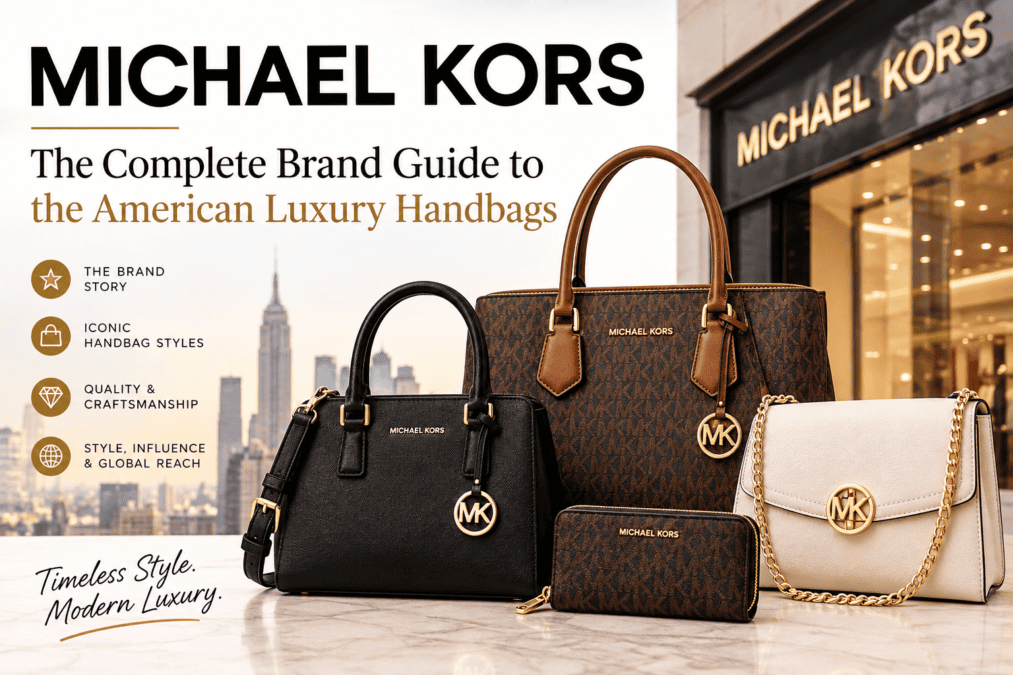

Michael Kors is one of the most recognizable names in accessible luxury fashion, built on a foundation of sleek American sportswear and commercially savvy accessories. Since launching his namesake label in 1981, the designer has transformed a small women’s ready-to-wear line into a global lifestyle empire spanning handbags, footwear, watches, jewelry, fragrance, and menswear. Today, the brand remains the dominant revenue driver within Capri Holdings, representing the majority of the group’s overall performance. This guide covers everything you need to know about the Michael Kors brand, from its origins and signature products to its current market position and sustainability commitments.
Key Facts at a Glance
| Detail | Information |
|---|---|
| Founder | Michael David Kors (born Karl Anderson Jr., August 9, 1959) |
| Founded | 1981 |
| Parent Company | Capri Holdings Limited (formerly Michael Kors Holdings) |
| Headquarters | New York City |
| Signature Labels | Michael Kors Collection, MICHAEL Michael Kors, Michael Kors Mens |
| Iconic Products | Hamilton, Nolita, Laila, and Jet Set handbags |
| Global Presence | Stores in New York, London, Milan, Paris, Dubai, Seoul, Tokyo, Hong Kong, Shanghai, and more |
| Market Segment | Accessible luxury |
The Origins of the Michael Kors Brand
From Long Island to Fashion Week
Michael Kors grew up in Merrick, Long Island, a suburban town about 23 miles from New York City. His instinct for fashion was evident early: at five years old, he advised his mother to cut the bows off her wedding dress for her second marriage—she followed his advice. Kors graduated from high school in 1977 and enrolled at the Fashion Institute of Technology in New York City.
He also took a job at Lothar’s, a trendsetting boutique on West 57th Street, where his talents caught the attention of Dawn Mello, then executive vice president of Bergdorf Goodman. Mello encouraged him to contact her if he ever designed a collection, and Kors did just that, officially launching his own line in 1981.
The First Runway Show
Kors held his first runway show in 1984, sending model Iman down the runway in a turtleneck and gray flannels. From the start, he was successful, designing chic, luxurious sportswear that was both glamorous and effortless. He built a reputation as a designer who understood how women live and how they want to feel in their clothes—confident, at ease, and in control.
A Defining Role at Céline
From 1997 to 2004, while continuing to build his own business, Michael Kors served as creative director of Céline, the renowned French luxury brand. The appointment was notable—few American designers had headed up French brands—and his impact was significant in shaping the house’s modern identity.
The Michael Kors Product Universe
The brand operates through three primary labels, each targeting distinct customer needs and price points.
| Label | Focus | Typical Products |
|---|---|---|
| Michael Kors Collection | Runway-driven luxury | Elevated ready-to-wear, leather goods, accessories |
| MICHAEL Michael Kors | Accessible luxury | Handbags, footwear, watches, jewelry, fragrance |
| Michael Kors Mens | Men’s lifestyle | Ready-to-wear, leather goods, accessories, watches |
The company’s product range includes accessories, footwear, watches, jewelry, women’s and men’s ready-to-wear, wearable technology, eyewear, and a full line of fragrance products.
The Handbags That Define the Brand
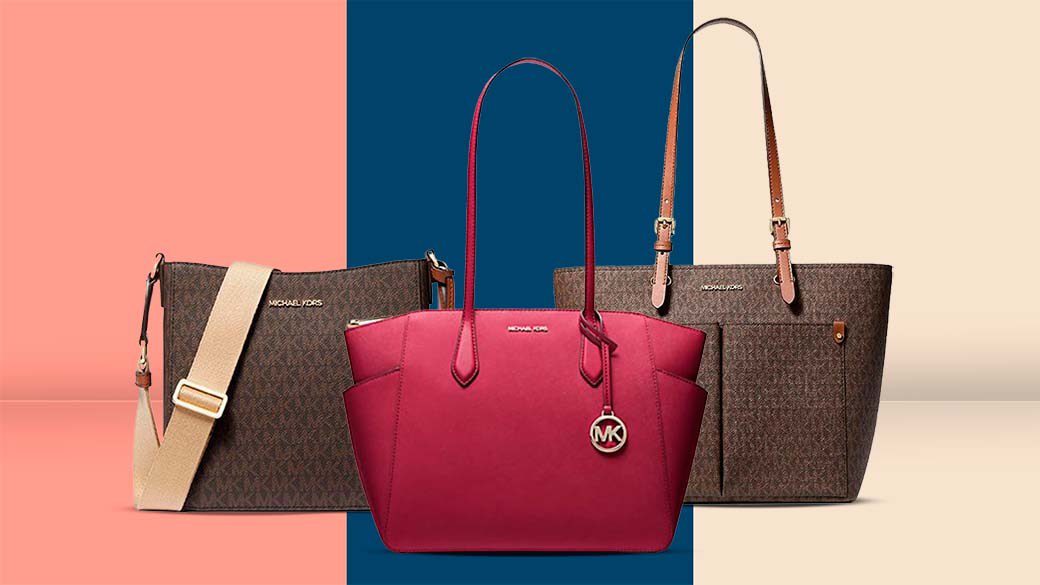
Michael Kors handbags are the commercial engine of the brand. Several silhouettes have achieved icon status and consistently drive sales across full-price and outlet channels.
Hamilton — A structured top-handle satchel that has become a signature silhouette. The fall 2026 collection introduced fringed suede versions that lean into the season’s boho trend. The Hamilton Moderne offers a more compact, convertible option that shifts seamlessly from shoulder bag to crossbody.
Nolita — A soft, slouchy hobo bag that has become a favorite among celebrities and fashion influencers. The Nolita’s defining feature is its relaxed, draped silhouette, which conveys an effortless, everyday luxury. It is now offered in a more compact size and multiple materials, including pebbled leather and suede.
Laila — A spacious tote and satchel line that has become a brand signature. It is available in a wide range of colors and prints, making it a versatile option for daily use.
Jet Set — A travel-inspired collection of totes and crossbody bags designed for practicality and polish.
Dakota — A compact shoulder bag that offers a more minimal, everyday silhouette.
Tribeca — A chain-strap bag that gained rapid popularity following its launch, known for its distinctive puffy, rounded shape.
The 45th Anniversary and Fall 2026 Collection
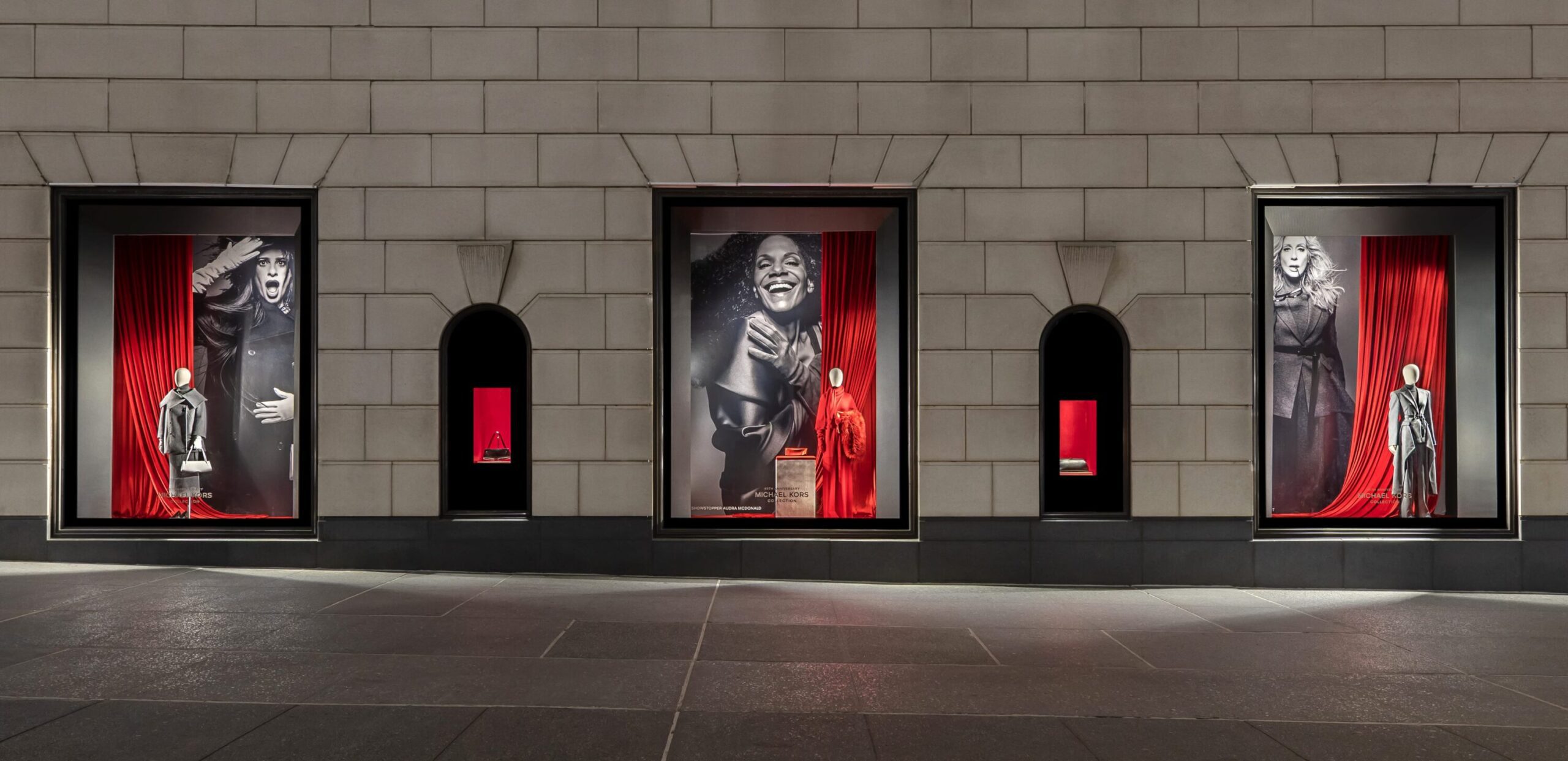
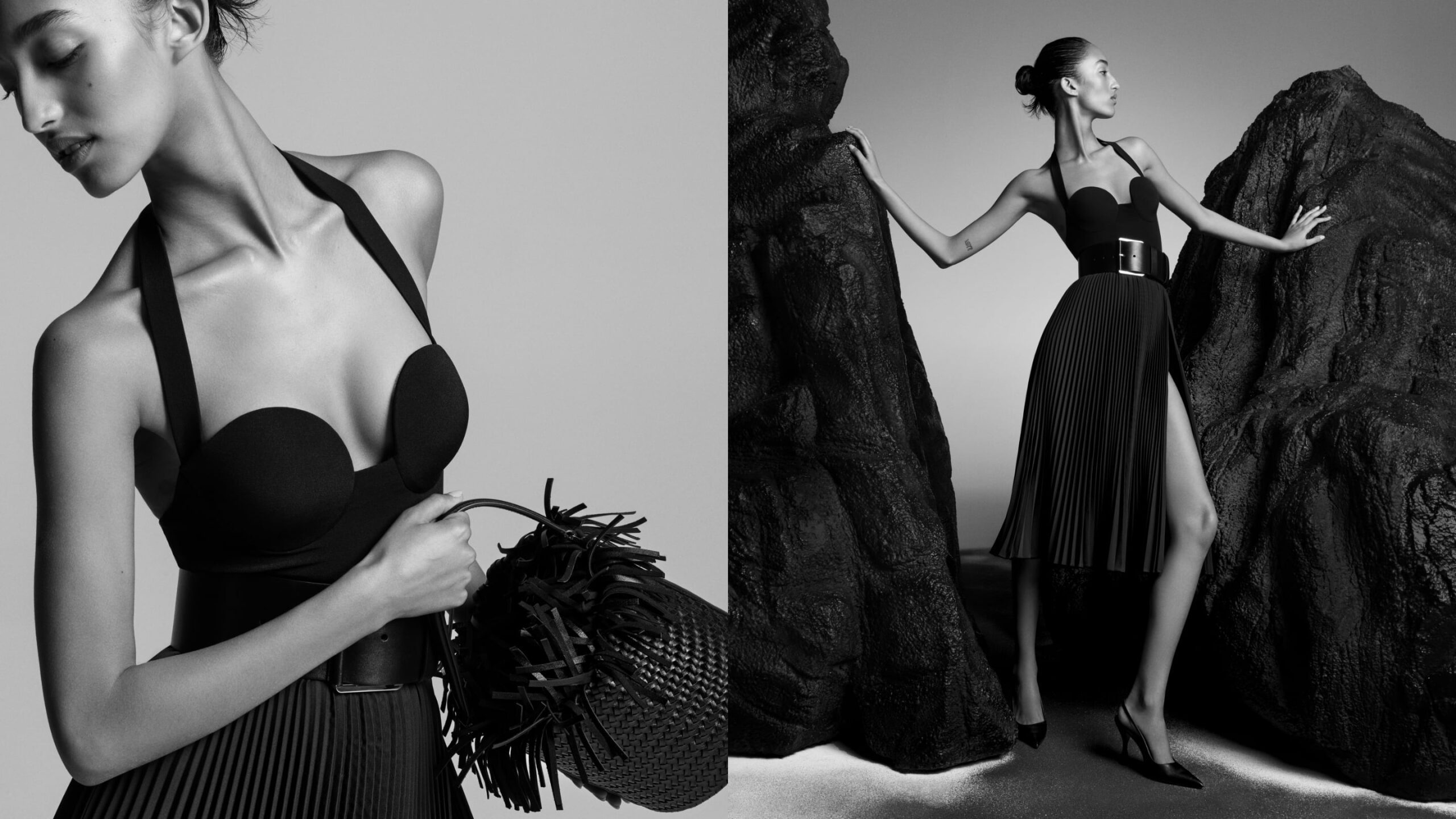
In 2026, Michael Kors celebrated its 45th anniversary with a campaign featuring six stage performers: Misty Copeland, Sutton Foster, Judith Light, Audra McDonald, Lea Michele, and Kara Young. The campaign was photographed by Inez van Lamsweerde and Vinoodh Matadin and styled by Carlos Nazario.
The fall 2026 Collection carried the theme “New York Chic,” focusing on dramatic simplicity and the idea of making a chic entrance. Kors explained the casting choice: “I wanted to shine a spotlight on the most remarkable showstoppers, women who simply know how to stop you in your tracks and captivate you”. The anniversary show was held at Lincoln Center’s Metropolitan Opera House.
In September 2026, the brand also announced the opening of a new flagship lifestyle store in Hyderabad, India, located in GVK One Mall. The 1,765-square-foot store carries handbags, ready-to-wear, small leather goods, footwear, watches, and a broad assortment from the Michael Kors Mens label.
Market Performance and Strategic Direction
Financial Snapshot
Michael Kors remains the largest brand within Capri Holdings, though it has faced revenue headwinds in recent quarters. For the fourth quarter of fiscal 2026, Michael Kors generated revenue of $656 million, down 5.5% on a reported basis and 8.4% on a constant-currency basis. For fiscal 2027, Capri projects Michael Kors revenue of approximately $2.9 billion.
| Metric | Q4 FY2026 (Michael Kors) |
|---|---|
| Revenue | $656 million |
| Year-over-year change | −5.5% (reported) |
| Gross margin | 64.6% |
| FY2027 projected revenue | $2.9 billion |
Turnaround Strategy
Capri Holdings Chairman and CEO John D. Idol described fiscal 2026 as a year of stabilization and foundation-building for Michael Kors. “We took deliberate actions to strengthen product innovation, brand desirability and consumer engagement, and we see clear evidence that these efforts are resonating with consumers,” Idol said. The company has prioritized returning to what it calls “modern glamour” and accessible aspiration, reconnecting with the brand’s core DNA after a period of restructuring that alienated some core consumers.
Competitive Positioning
Michael Kors competes primarily in the accessible luxury segment, alongside Coach, Kate Spade, Tory Burch, and Marc Jacobs. Pricing analyses from regulatory filings show that Michael Kors has consistently been priced lower than Coach, with Kate Spade targeting prices approximately 10% above Michael Kors and 10% below Coach. Average MSRPs for accessible luxury handbag brands in this segment have ranged from approximately $275 to $509.
The brand’s challenge, as industry analysts have noted, is that it can become “stuck in the middle”—not premium enough to compete with true luxury houses, yet not priced competitively enough for some aspirational shoppers. Capri’s strategy addresses this by leaning into the mid-tier market, which has grown as luxury prices have risen 25% since 2019.
Sustainability and Social Responsibility
Michael Kors has made public commitments to reducing its environmental footprint through product design and philanthropy.
Kors Loves
The “Kors Loves” badge identifies products that meet specific sustainability criteria. Products bearing the badge are either crafted from at least 50% environmentally preferred materials—such as recycled fibers and organic fabrics—or made with leather from certified tanneries meeting high environmental performance standards, including Gold Medal ratings from the Leather Working Group.
Watch Hunger Stop
Since 2013, Michael Kors has partnered with the United Nations World Food Programme through its Watch Hunger Stop campaign. The initiative has funded school meal programs, and more recently, the brand has supported the Home-Grown School Feeding approach, which helps small local farmers grow and sell nutritious food to feed children in their communities. Michael Kors has committed a minimum donation of $1 million to the WFP through September 30, 2026. In 2025, the brand also committed $2.7 million to feed Sri Lankan children and support local farmers, including the installation of solar-powered kitchens in 30 schools.
Michael Kors Store Experience
Michael Kors operates stores directly and through licensing partners in major cities worldwide, including New York, Los Angeles, Chicago, London, Milan, Paris, Munich, Dubai, Seoul, Tokyo, Hong Kong, Shanghai, and Rio de Janeiro. The brand has also invested in digital flagships across North America, Europe, and Asia, offering a seamless omni-channel experience.
The physical retail experience emphasizes “laid-back luxury,” with soft neutral tones, residential décor cues, and an open, airy ambience enhanced by floating shelves and vivid lighting. In 2026, Capri Holdings reduced its global retail footprint, closing 41 stores—including 33 Michael Kors locations—as part of a broader strategic review of its store portfolio.
Timeline of Key Milestones
| Year | Milestone |
|---|---|
| 1959 | Michael David Kors born on Long Island, New York |
| 1977 | Graduates high school; enrolls at FIT |
| 1981 | Launches his own line after Bergdorf Goodman purchases his first collection |
| 1984 | Holds first runway show, featuring Iman |
| 1997–2004 | Serves as creative director of Céline |
| 1999 | Wins CFDA Womenswear Designer of the Year |
| 2003 | Wins CFDA Menswear Designer of the Year |
| 2011 | Marries Lance Le Pere |
| 2019 | Michael Kors Holdings becomes Capri Holdings Limited |
| 2025 | Versace sold to Prada; Capri refocuses on Michael Kors and Jimmy Choo |
| 2026 | Celebrates 45th anniversary with “New York Chic” fall collection |
Read More: Manish Malhotra: The Most Influential Designer Who Took Indian Couture from Bollywood to Paris
FAQs
What is Michael Kors best known for?
Michael Kors is best known for its accessible luxury handbags—particularly the Hamilton, Nolita, and Laila silhouettes—as well as its chic American sportswear aesthetic. The brand has built a reputation for designing glamorous, wearable pieces that fit into everyday life.
Is Michael Kors considered luxury?
Michael Kors operates in the “accessible luxury” or “premium” segment, positioned below true luxury houses like Louis Vuitton, Gucci, and Chanel but above mass-market brands. Its pricing is comparable to Coach and Kate Spade, with handbag MSRPs typically ranging from around $275 to $509.
Who owns Michael Kors now?
Michael Kors is owned by Capri Holdings Limited, a global fashion luxury group that also owns Jimmy Choo. Versace was sold to Prada in December 2025. Michael Kors remains the largest brand in the Capri portfolio.
What are the most popular Michael Kors bags?
The most popular Michael Kors bags include the Hamilton (structured satchel), the Nolita (slouchy hobo), the Laila (spacious tote), the Jet Set (travel-friendly crossbody), and the Tribeca (chain-strap shoulder bag).
What is the “Kors Loves” badge?
The “Kors Loves” badge indicates that a product is crafted from at least 50% environmentally preferred materials or made with leather from certified tanneries with high environmental performance ratings. It is part of the brand’s broader sustainability commitment.
What is Michael Kors’ partnership with the World Food Programme?
Through its Watch Hunger Stop campaign, Michael Kors has supported the UN World Food Programme since 2013. The brand has committed a minimum of $1 million to the WFP through September 2026 and has funded school meal programs, solar-powered kitchens, and local farmer support initiatives.
Conclusion
Michael Kors has built one of the most recognizable American fashion brands by combining pragmatic design with accessible glamour. From its founding in 1981 to its 45th anniversary celebrations in 2026, the brand has maintained a clear identity: chic, wearable luxury that fits into real life. While it faces ongoing revenue pressures and the challenge of differentiating in a crowded accessible luxury market, Capri Holdings’ strategic focus on product innovation, brand desirability, and the mid-tier consumer segment suggests a path forward. For shoppers, the Michael Kors brand remains a reliable destination for well-designed handbags, watches, and ready-to-wear that balance style with practicality.