

Introduction
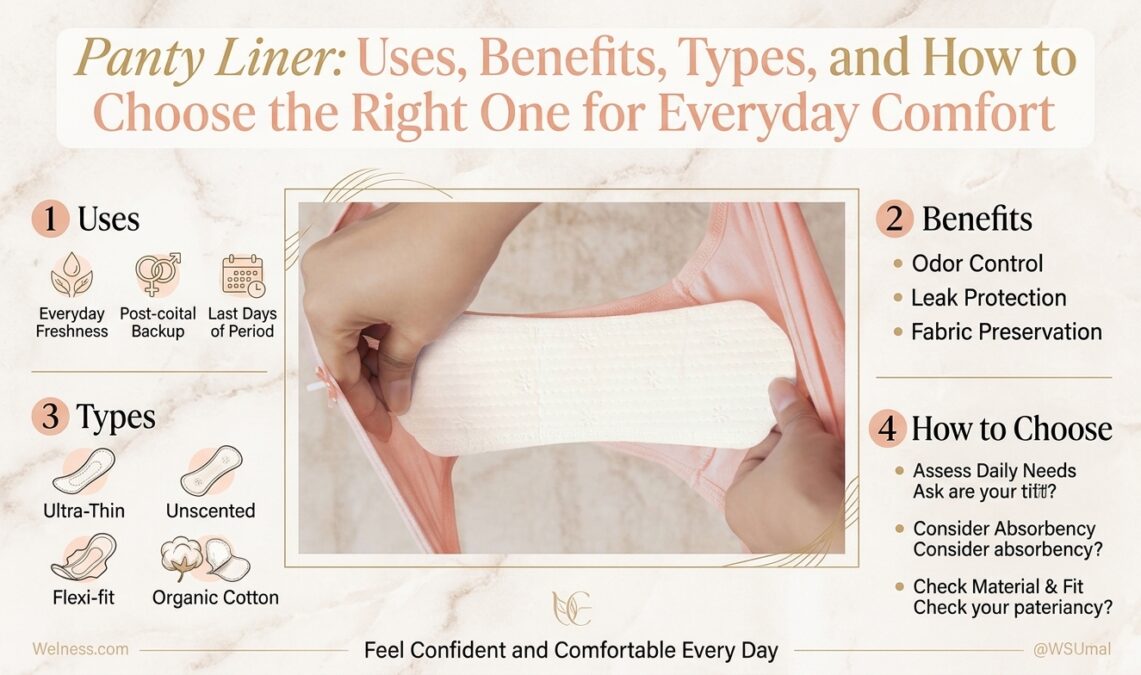
A panty liner is a thin, absorbent product worn inside underwear to manage light vaginal discharge, small amounts of menstrual spotting, or minor everyday moisture. It is generally smaller and less absorbent than a sanitary pad, making it suitable for situations when full menstrual protection is unnecessary.
Many people use liners for convenience, especially near the beginning or end of a period, when discharge varies throughout the menstrual cycle, or as extra protection alongside a tampon or menstrual cup. However, wearing one every day is a personal choice rather than a hygiene requirement. Understanding the different types, materials, benefits, and possible drawbacks can help you decide when it is useful and when breathable underwear alone may be more comfortable.
What Is a Panty Liner?
A panty liner is a lightweight absorbent insert designed to sit against the inside of underwear. Most versions have an absorbent centre, a soft upper layer, and an adhesive strip underneath to keep the product in place. Some styles include wings that fold around the sides of underwear, while others have a narrow shape designed for different cuts of clothing.
Unlike a sanitary pad, a liner is intended for light moisture rather than moderate or heavy menstrual flow. It can absorb ordinary vaginal discharge and occasional spotting, but it should not be treated as a replacement for a period pad when bleeding is heavier. Liners are available in disposable and reusable designs, with differences in thickness, absorbency, fragrance, and materials.
Common Uses of Panty Liners
One common reason to use liners is to absorb normal vaginal discharge. Discharge is a natural part of vaginal health and helps keep the vagina clean and lubricated. Its amount and consistency can change during the menstrual cycle. For example, discharge may become clearer and stretchier around ovulation, while other days may bring a thicker or creamier texture.
Liners can also be useful for light spotting before or after a period, or as backup protection when using a tampon or menstrual cup. Some people prefer them during travel or long working days because they can help manage small amounts of moisture. However, they are not designed to absorb urine leakage or heavy bleeding. Persistent wetness, unexpected bleeding, or a noticeable change in discharge should not simply be covered up with an absorbent product.
Types of Panty Liners and Their Differences
Liners come in several designs, and the best choice depends on comfort, clothing, skin sensitivity, and intended use. A thin, unscented product may work for occasional discharge, while reusable fabric options can appeal to people who want to reduce disposable waste. Products marketed as deodorizing or scented may seem attractive, but added fragrance can irritate sensitive vulvar skin.
| Type | Main features | Best suited for |
|---|---|---|
| Regular disposable | Thin, adhesive-backed design | Everyday light moisture |
| Ultra-thin | Minimal bulk and discreet fit | Close-fitting clothing |
| Long liner | Extended coverage | Additional coverage for light spotting |
| Scented liner | Contains added fragrance | Generally best avoided by sensitive users |
| Reusable fabric liner | Washable cloth construction | People seeking a reusable option |
| Organic cotton liner | Cotton-focused materials, depending on product | Those who prefer cotton-based options |
Product labels matter. Terms such as “organic,” “natural,” or “breathable” do not automatically mean a product is suitable for everyone. Check the actual materials, fragrance ingredients, adhesive, and care instructions rather than relying only on marketing descriptions.
Benefits of Using a Panty Liner
The main benefit is convenience. A liner can absorb small amounts of discharge or spotting before they reach underwear, which may help someone feel more comfortable during a long day outside the home. Its compact size also makes it easy to carry in a handbag or travel pouch.
Another advantage is flexibility. People can use liners only on particular days rather than throughout the month. For example, someone who experiences light spotting at the end of menstruation may find a thin liner more comfortable than a full-size pad. Reusable options can also reduce the number of disposable products used, provided they are washed and dried properly.
However, liners are not necessary for everyone. Normal vaginal discharge does not mean the body is unclean, and there is no medical need to absorb it simply to maintain hygiene. Choosing not to wear one is perfectly reasonable.
Are Panty Liners Safe to Wear Every Day?
For many people, occasional use is comfortable, but wearing a liner continuously can cause problems for some users. The adhesive, surface materials, fragrance, and friction may irritate sensitive skin. A liner can also hold moisture close to the vulva, particularly if it is worn for a long time or becomes damp.
If you choose daily use, select an unscented product and change it whenever it becomes wet or soiled. Take breaks when practical, and consider breathable cotton underwear. If you notice itching, burning, redness, soreness, or a rash, stop using the product and see whether the symptoms improve. Persistent or recurring irritation deserves medical assessment rather than repeated changes between brands.
It is also important to understand that the vagina is self-cleaning. A liner does not prevent infections, and scented products or vaginal washes are not necessary for routine cleanliness. Gentle external washing with water is usually sufficient; avoid putting cleansing products inside the vagina.
How to Choose the Right Panty Liner
The right product should match the amount of moisture you need to manage. For occasional discharge, a thin, unscented design may be enough. For light spotting, a longer version can provide more coverage. If you have sensitive skin, look for fragrance-free products and pay attention to the top sheet and adhesive materials.
Comfort and fit matter as much as absorbency. A liner that is too narrow may shift, while one that is too wide may bunch up in underwear. Try a shape that sits flat without rubbing against the skin. If disposable products repeatedly cause irritation, consider breathable underwear or a washable fabric alternative, making sure it can be cleaned thoroughly and dried completely between uses.
How to Use and Change a Panty Liner Properly
Start with clean, dry underwear. Remove the adhesive backing and position the liner lengthwise in the centre of the underwear, following the product’s instructions. If it has wings, fold them around the sides of the underwear. The liner should lie flat rather than bunching or pulling against the skin.
There is no single change interval that suits everyone. Replace it when it becomes damp, soiled, uncomfortable, or no longer stays in place. Wash your hands before and after handling menstrual products, and dispose of disposable liners in a waste bin rather than flushing them. Reusable liners should be washed according to the manufacturer’s directions and fully dried before being stored or worn again.
Panty Liners vs. Sanitary Pads: What Is the Difference?
Although both products are worn inside underwear, they serve different purposes. Liners are thinner and designed for light moisture or spotting. Sanitary pads have a larger absorbent area and are made to manage menstrual bleeding, including heavier flow depending on the product’s absorbency rating.
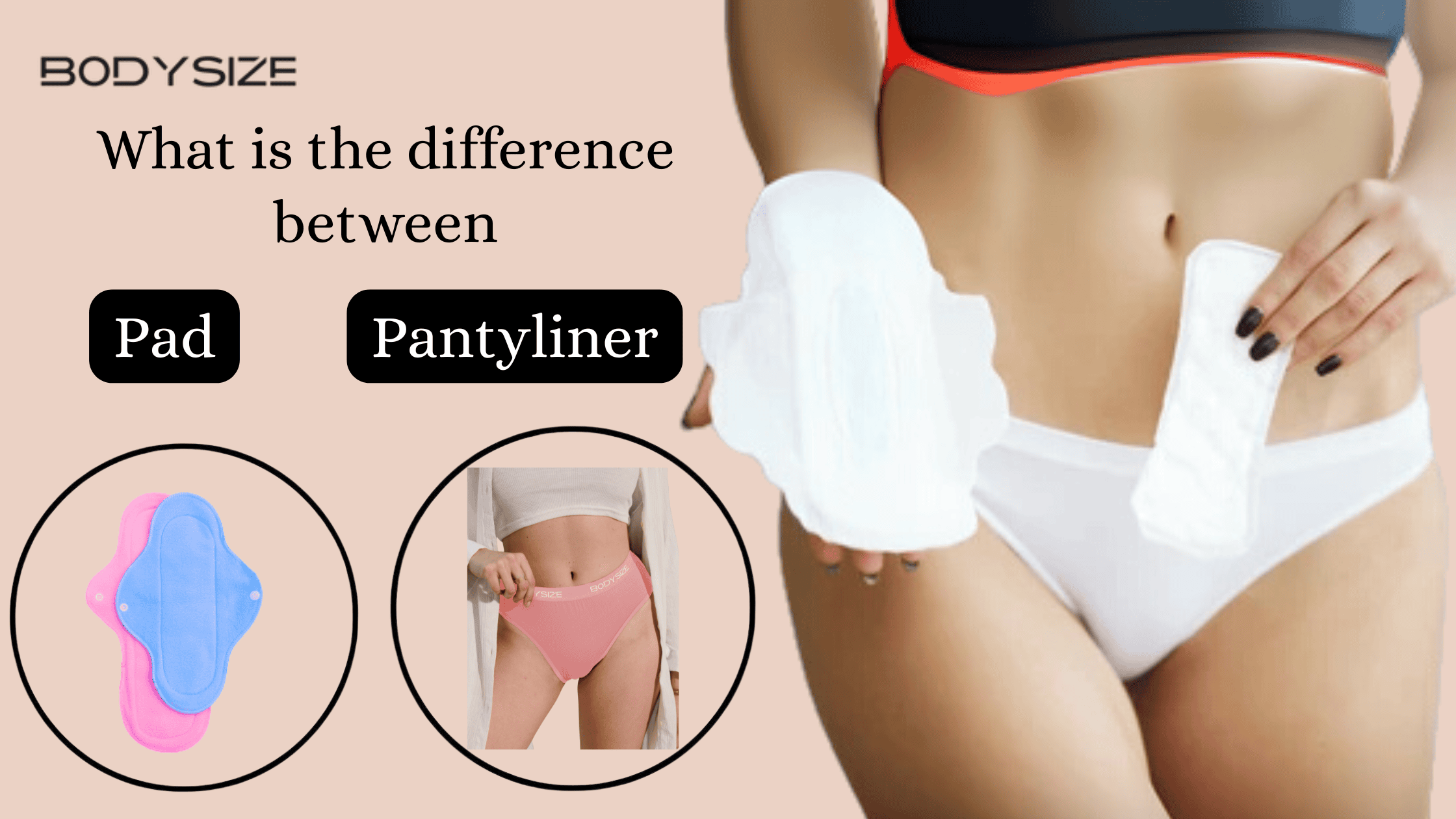
Choosing the wrong product can lead to leaks or discomfort. Someone experiencing a light brown trace at the end of a period may find a liner sufficient, while someone with regular menstrual bleeding will generally need a pad, tampon, menstrual cup, or another suitable period product. The important distinction is absorbency: use a product designed for the amount of fluid you are managing.
When Changes in Vaginal Discharge Need Medical Attention
Normal discharge can vary in colour, texture, and amount throughout the menstrual cycle. It is often clear or white and may have a mild natural scent. A liner may help manage ordinary variations, but it should not be used to hide symptoms that could indicate an infection or another health concern.
Speak with a healthcare professional if discharge develops a strong or fishy smell, turns green or yellow, becomes unusually thick and accompanied by itching, or occurs with pelvic pain, pain during urination, sores, or unexpected bleeding. These symptoms can have different causes, including infections that require specific treatment. Avoid self-diagnosing based on appearance alone, and do not assume that a scented liner or intimate wash will solve the problem.
Frequently Asked Questions
Can you wear a panty liner every day?
Some people wear liners daily without noticeable problems, while others experience irritation or discomfort. Daily use is not necessary for vaginal hygiene. If you choose to wear one, select an unscented product, change it when damp, and take breaks if your skin becomes irritated.
Do panty liners prevent vaginal infections?
No. Liners do not prevent yeast infections, bacterial vaginosis, or sexually transmitted infections. They are designed to absorb light moisture, not protect against infection. Good genital hygiene, appropriate medical care, and avoiding irritating fragranced products are more relevant to vulvar comfort.
Can you sleep while wearing a panty liner?
You can wear one overnight if it feels comfortable and does not irritate your skin, but it is not essential. Some people prefer breathable underwear without a liner while sleeping. If you do wear one, change it after waking or sooner if it becomes damp or soiled.
Are scented panty liners safe?
Scented products can irritate the sensitive skin around the vulva, especially for people prone to contact dermatitis or irritation. Fragrance-free products are generally the more cautious choice. If a product causes itching, burning, redness, or soreness, stop using it.
Can a panty liner absorb period blood?
Yes, but only small amounts of blood or very light spotting. Liners are not designed for regular or heavy menstrual flow. If bleeding is more than a liner can comfortably absorb, use a suitable sanitary pad or another period product with appropriate absorbency.
Are reusable fabric liners hygienic?
Reusable liners can be hygienic when they are washed thoroughly, dried completely, and stored cleanly. Follow the manufacturer’s care instructions and avoid sharing personal menstrual products. Replace fabric liners that remain stained, damaged, or difficult to clean.
Can panty liners cause itching?
They can contribute to itching in some people because of fragrance, adhesives, friction, or moisture trapped against the skin. Stop using the product if irritation develops. If itching continues, returns frequently, or occurs with unusual discharge or pain, consult a healthcare professional.
Conclusion: Choosing Comfort Without Compromising Intimate Health
A panty liner can be a convenient option for managing light vaginal discharge, occasional spotting, and small amounts of everyday moisture. Its thin design makes it different from a sanitary pad, and its usefulness depends on individual needs, comfort, and the amount of fluid involved.
The best approach is to choose an unscented product that fits properly, change it when needed, and avoid treating normal vaginal discharge as something that must always be absorbed. Most importantly, pay attention to changes in your body rather than relying on liners to conceal discomfort or unusual symptoms. Good intimate care is about comfort, informed choices, and recognizing when a health concern needs professional attention.
Additional health guidance: Medical guidance is more cautious about routine daily use than the general product advice sometimes suggests. NHS Inform advises against wearing liners all the time because they may cause irritation, while the Royal College of Obstetricians and Gynaecologists recommends avoiding regular use when managing sensitive or irritated vulvar skin. If you experience recurring discomfort, breathable underwear without a liner may be preferable.
Normal discharge is generally clear or white, but a change in colour, smell, or texture—especially with itching, soreness, pelvic pain, or pain when urinating—deserves medical assessment.