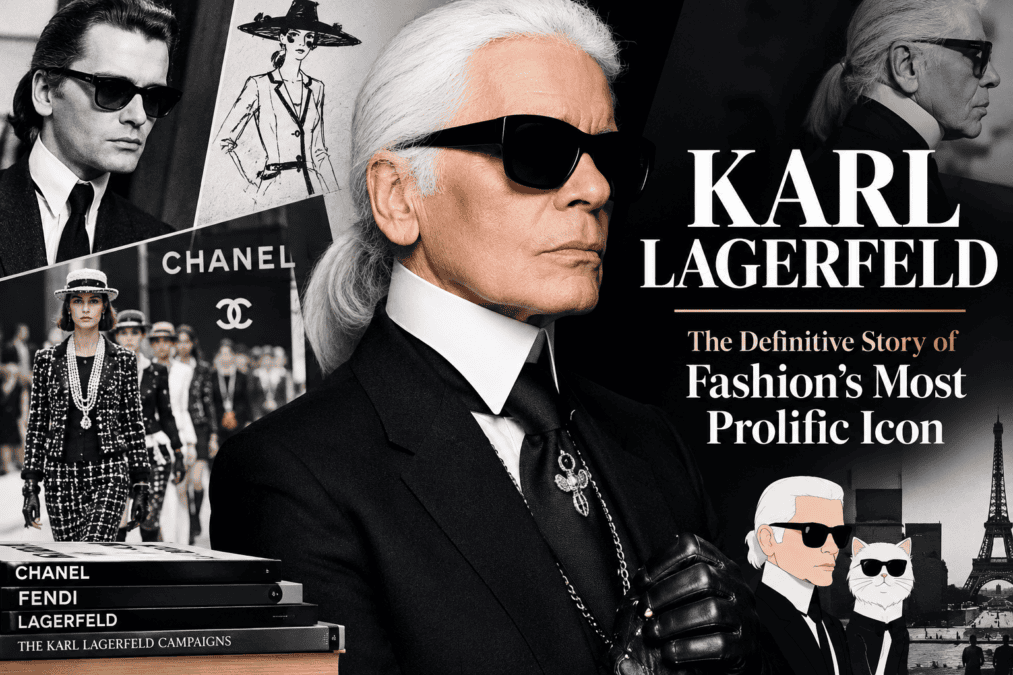

Karl Lagerfeld was more than a fashion designer; he was a cultural architect who reshaped the industry for over six decades. As the creative force behind Chanel, Fendi, and his own eponymous label, he transformed luxury fashion into a global spectacle and left behind a legacy that continues to influence designers, brands, and consumers worldwide. This article explores his remarkable journey, his defining work, and the enduring impact of the man known simply as “The Kaiser.”
Key Facts
| Fact | Detail |
|---|---|
| Full Name | Karl-Otto Lagerfeld |
| Born | September 10, 1933, Hamburg, Germany |
| Died | February 19, 2019, Paris, France (aged 85) |
| Key Roles | Creative Director of Chanel (1983–2019); Creative Director of Fendi (1965–2019); Founder of Karl Lagerfeld brand (1984) |
| Signature Look | Dark suits, starched high collars, fingerless gloves, powdered white ponytail, tinted sunglasses |
| Notable Firsts | First luxury designer to collaborate with H&M (2004); popularized the “double-C” Chanel logo |
| Beloved Pet | Choupette, a blue-cream Birman cat |
Early Life and Career Beginnings
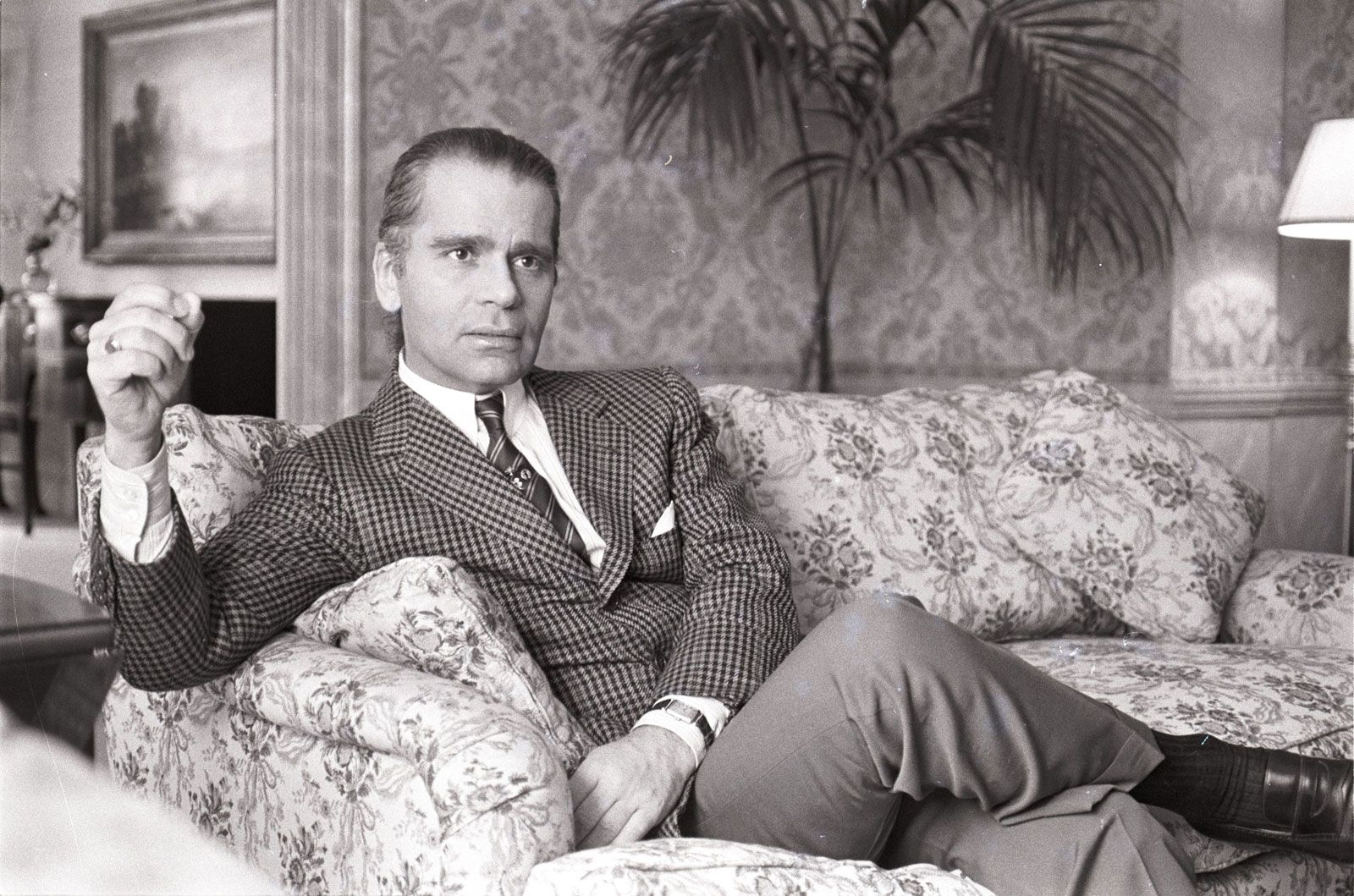
Karl-Otto Lagerfeld was born in Hamburg, Germany, in 1933, though he consistently gave his birth year as 1938, a detail that contributed to his carefully constructed persona. His career in fashion began somewhat accidentally; he originally planned to become an illustrator. In 1954, at the age of 21, he entered the International Woolmark Prize and won first place in the coat category for his sketch, instantly launching his career.
Following his win, Lagerfeld moved to Paris and apprenticed under designer Pierre Balmain before moving on to Jean Patou and later Chloé. His early years were marked by a relentless work ethic and a growing reputation for his distinctive design sensibility.
The Chanel Revolution: Reinventing a Legacy
In 1983, Lagerfeld was appointed Artistic Director of Chanel, a house that had been struggling to find its identity following the death of its founder, Gabrielle “Coco” Chanel. Chanel chief executive Alain Wertheimer gave Lagerfeld carte blanche to reinvent the brand from the Chanel jacket to its tweeds and two-tone shoes.
Lagerfeld’s impact was transformative. He took the signature components left by Coco Chanel and adapted them for the modern era, inserting them into popular culture worldwide. Under his leadership, Chanel became a $10 billion business. He was credited with helping “jazz up” the label and attracting younger clients, elevating his own status to that of a rock star in the fashion world. He popularized the iconic “double-C” logo, which became one of the most recognizable symbols in luxury fashion.
Fendi: A Half-Century of Innovation
Lagerfeld’s relationship with Fendi began in 1965 when he was hired by the five Fendi sisters—Paola, Anna, Franca, Carla, and Alda—to revamp their fur atelier. His tenure at Fendi lasted an extraordinary 54 years, until his death in 2019. He transformed the staid furrier into a luxury ready-to-wear brand and coined its iconic “Fun Fur” (FF) logo, which he sketched to represent the brand’s playful approach to fur.
Lagerfeld’s work at Fendi was characterized by his ability to merge Italian craftsmanship with his forward-thinking design philosophy, creating collections that were both innovative and commercially successful.
The Karl Lagerfeld Brand
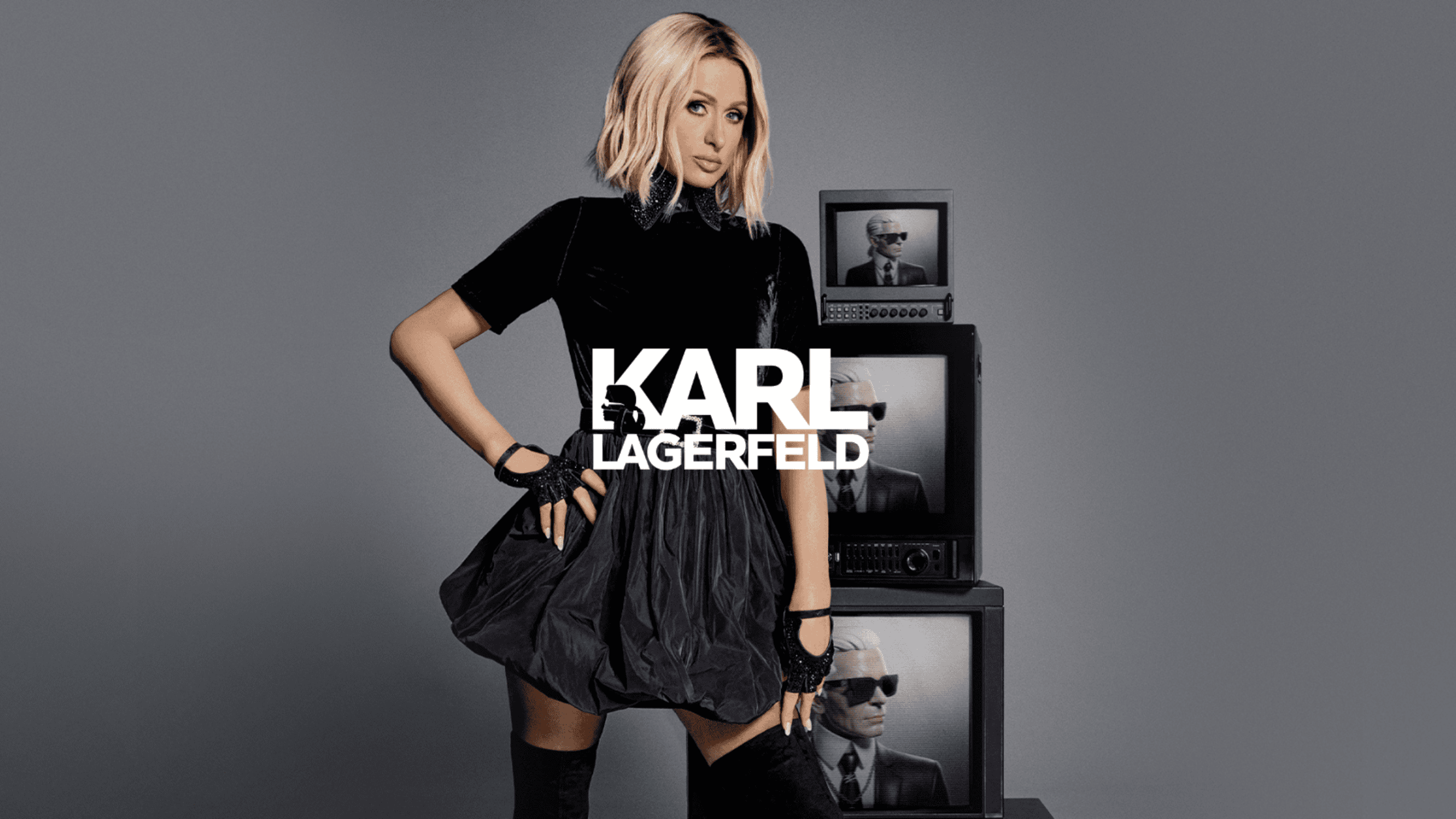
In 1984, just one year after joining Chanel, Lagerfeld launched his own eponymous label. The brand was created to reflect his personal design aesthetic and vision, distinct from the heritage labels he managed. Known for its refined tailoring and bold wearable pieces, the Karl Lagerfeld brand has grown into a formidable presence with around 120 stores globally.
In a pioneering move that foreshadowed today’s luxury-streetwear collaborations, Lagerfeld became the first high-end designer to collaborate with H&M in 2004, creating an accessible line that immediately sold out. This collaboration paved the way for similar partnerships by designers such as Stella McCartney, Comme des Garçons, and Versace.
Signature Style and Design Philosophy
Lagerfeld was celebrated for his distinct personal style and his creative approach to fashion. His own image was carefully crafted, blending past and present: a snowy white mane and ponytail reminiscent of a powdered 18th-century periwig, aviator sunglasses, a high starched white collar, and black fingerless biker gloves worn with multiple silver rings.
His design philosophy was rooted in a deep respect for history and an unyielding focus on the future. He believed that “the purpose of dress design is to make people feel good, not to express the pain and the suffering of the world in taffeta”. He also famously said, “Fashion is about the harmony between utility and beauty”.
The Spectacle of Fashion Shows
One of Lagerfeld’s most enduring contributions to fashion was his transformation of the runway show into a theatrical spectacle. He was known for staging lavish shows, building Chanel catwalks amid replicas of a supermarket, a casino, an airport terminal, and even a rocket ship. He turned the Great Wall of China into a catwalk for a Fendi show.
These elaborate sets were not mere gimmicks; they were an extension of Lagerfeld’s belief that fashion should be an immersive, memorable experience that captures the cultural zeitgeist.
Personal Life and Relationships
Lagerfeld’s most well-known relationship was with French aristocrat and socialite Jacques de Bascher. The two met at a club in 1972, and Lagerfeld supported de Bascher financially for close to 20 years, until de Bascher died from AIDS-related illness in 1989. After this loss, Lagerfeld never had another romantic relationship.
He was also famously devoted to his Birman cat, Choupette, who became a celebrity in her own right. Choupette was the subject of a coffee table book and reportedly earned more than $3 million in 2014 from campaigns for Opel Corsa cars and Shu Uemura’s Shupette makeup line. Lagerfeld reportedly left a portion of his fortune to his beloved pet.
Awards and Recognition
Throughout his career, Lagerfeld received numerous accolades for his contributions to fashion.
| Award | Year |
|---|---|
| International Woolmark Prize (Coat Category) | 1954 |
| Neiman Marcus Award for Distinguished Service in the Field of Fashion | 1980 |
| Neiman Marcus Award (second time) | 2013 |
| Couture Council Fashion Visionary Award (FIT) | 2010 |
| Outstanding Achievement Award, British Fashion Awards | 2015 |
| John B. Fairchild Award, WWD | 2017 |
He is the only person to have received the Neiman Marcus Award twice, an honor also given to Coco Chanel in 1957. In 2015, he received the Outstanding Achievement Award at the British Fashion Awards, presented by Anna Wintour.
Death and Legacy
Karl Lagerfeld died in Paris on February 19, 2019, at the age of 85. At the time of his death, he was still at the creative helm of Chanel, Fendi, and his eponymous label. Tributes poured in from across the fashion world. LVMH chairman Bernard Arnault said the fashion world had lost a creative genius who helped make Paris the fashion capital of the world and Fendi one of the most innovative Italian houses. Vogue’s Anna Wintour described his creative genius as breathtaking.
His legacy continues to be celebrated. In 2023, the Metropolitan Museum of Art’s Costume Institute presented a major exhibition titled “Karl Lagerfeld: A Line of Beauty,” showcasing approximately 150 of his creations alongside his original sketches. The exhibition explored his stylistic language and his extraordinary sixty-five-year career.
The Karl Lagerfeld brand remains active and relevant. In 2026, the brand extended its partnership with Paris Hilton, who fronted its fall 2026 and spring 2027 campaigns alongside a new digital character named “Not-Karl,” a playful homage to the designer’s wit and forward-thinking spirit.
Timeline of Key Milestones
| Year | Event |
|---|---|
| 1933 | Born in Hamburg, Germany |
| 1954 | Wins International Woolmark Prize; begins career in fashion |
| 1955 | Apprentices under Pierre Balmain |
| 1963 | Joins Chloé as Creative Director |
| 1965 | Begins designing for Fendi |
| 1983 | Appointed Creative Director of Chanel |
| 1984 | Launches his own eponymous brand |
| 2004 | First luxury designer to collaborate with H&M |
| 2015 | Receives Outstanding Achievement Award at British Fashion Awards |
| 2019 | Dies in Paris at age 85 |
| 2023 | Met Gala and Costume Institute exhibition honor his legacy |
| 2026 | Karl Lagerfeld brand continues with Paris Hilton campaign and “Not-Karl” digital character |
Expert Insights: The Enduring Influence of Karl Lagerfeld
Lagerfeld’s influence on the fashion industry extends far beyond his own designs. He redefined what a creative director could be—a cultural figure, a brand ambassador, and a relentless innovator. His willingness to embrace mass-market collaborations with H&M in 2004 fundamentally changed how luxury brands interact with broader audiences, a strategy now ubiquitous across the industry.
His approach to fashion shows as immersive theatrical experiences set a new standard for brand storytelling, influencing everything from runway presentations to digital campaigns. The current use of a digital character, “Not-Karl,” in the brand’s 2026 campaigns demonstrates how his spirit of innovation continues to guide the label’s strategy.
Perhaps most importantly, Lagerfeld demonstrated that a designer could be both an artist and a savvy businessperson. He combined artistic instinct with business acumen, transforming Chanel into a multi-billion-dollar powerhouse while maintaining its reputation for craftsmanship and heritage. His ability to balance tradition with modernity remains a blueprint for luxury brands navigating an ever-changing cultural landscape.
Read More: Christian Siriano: Latest News, Collections, Career Highlights & Fashion Influence
Frequently Asked Questions
What was Karl Lagerfeld best known for?
Karl Lagerfeld was best known as the creative director of Chanel, a position he held from 1983 until his death in 2019. He was also the creative director of Fendi for over five decades and founded his own eponymous brand in 1984.
What was Karl Lagerfeld’s signature style?
Lagerfeld was instantly recognizable by his dark suits, high starched white collars, fingerless gloves, powdered white ponytail, and tinted sunglasses. His personal style became as iconic as his designs.
Who was Karl Lagerfeld’s partner?
Lagerfeld’s most significant relationship was with Jacques de Bascher, a French aristocrat and socialite. They met in 1972 and remained together until de Bascher’s death from AIDS-related illness in 1989.
Did Karl Lagerfeld have a cat?
Yes, Lagerfeld was famously devoted to his Birman cat, Choupette, who became a celebrity in her own right and reportedly earned millions through modeling campaigns.
What is the Karl Lagerfeld brand?
The Karl Lagerfeld brand is an eponymous fashion label founded by Lagerfeld in 1984. It is known for refined tailoring and bold wearable pieces, and it continues to operate globally with around 120 stores.
How did Karl Lagerfeld change the fashion industry?
Lagerfeld transformed the role of the creative director, pioneered luxury collaborations with high-street brands, and reimagined fashion shows as elaborate theatrical experiences. He also revived Chanel from a struggling brand into a global powerhouse.
Conclusion
Karl Lagerfeld‘s influence on fashion is immeasurable. From his early days in Hamburg to his legendary tenure at Chanel, he demonstrated that fashion could be both an art form and a cultural force. His relentless innovation, his distinctive personal style, and his willingness to embrace change set a standard that few have matched. As the fashion world continues to evolve, the legacy of Karl Lagerfeld remains a guiding light—a reminder that true style transcends trends and that a single vision can transform an entire industry. His story is not merely one of fashion; it is a story of how creativity, discipline, and a touch of wit can leave an indelible mark on the world.